class iv laser therapy research
A class 4 laser increases tissue regeneration which is why you heal faster but it also accelerates soft tissue and bone repair. The aim of the proposed study is to assess the effect of Class IV laser therapy LT on pain and pinch strength in patients with thumb carpometacarpal TCMC OA.
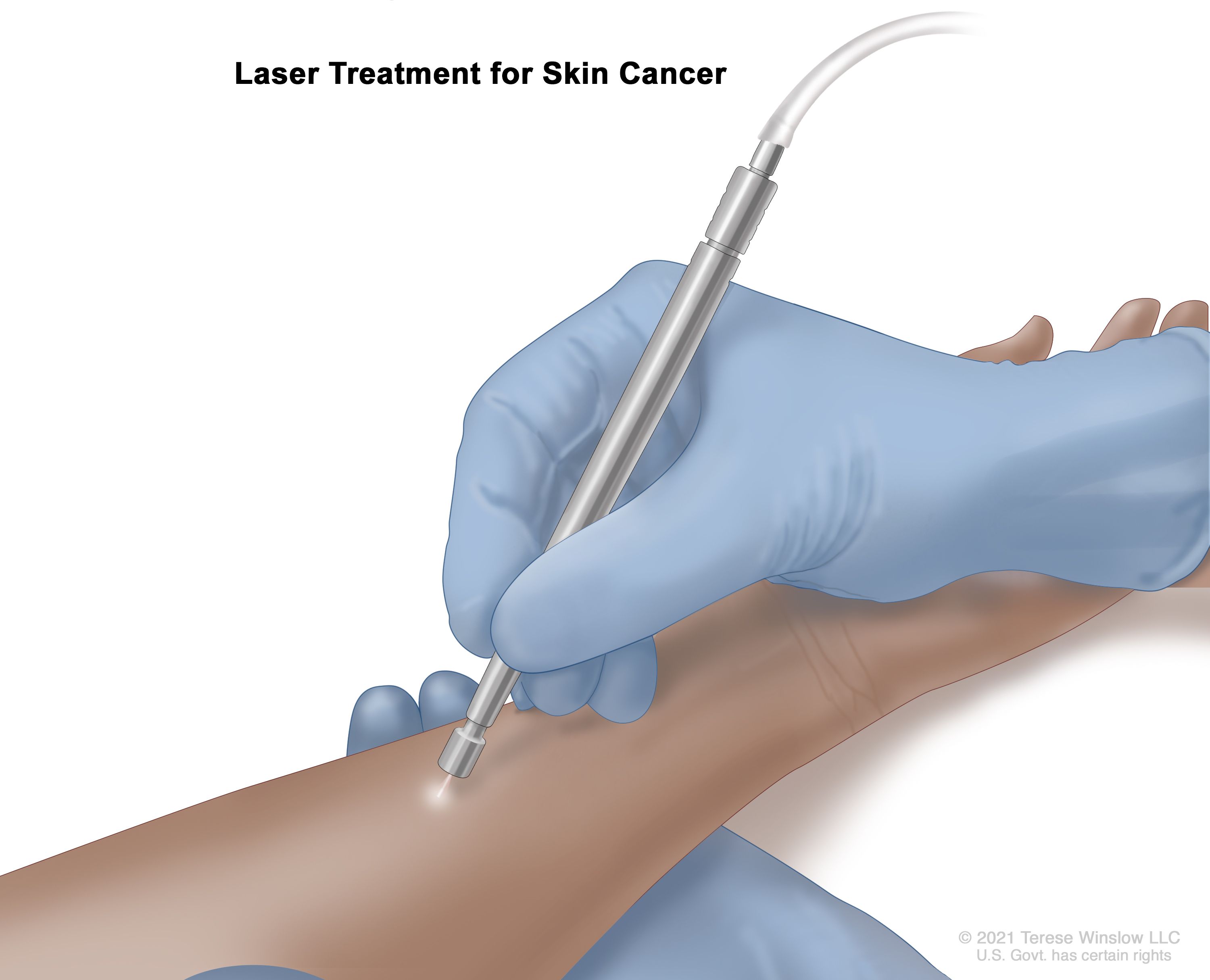
Definition Of Laser Therapy Nci Dictionary Of Cancer Terms National Cancer Institute
Class IV Laser Therapy Interventional and case reports confirm positive therapeutic outcomes in multiple clinical indications Brian A.

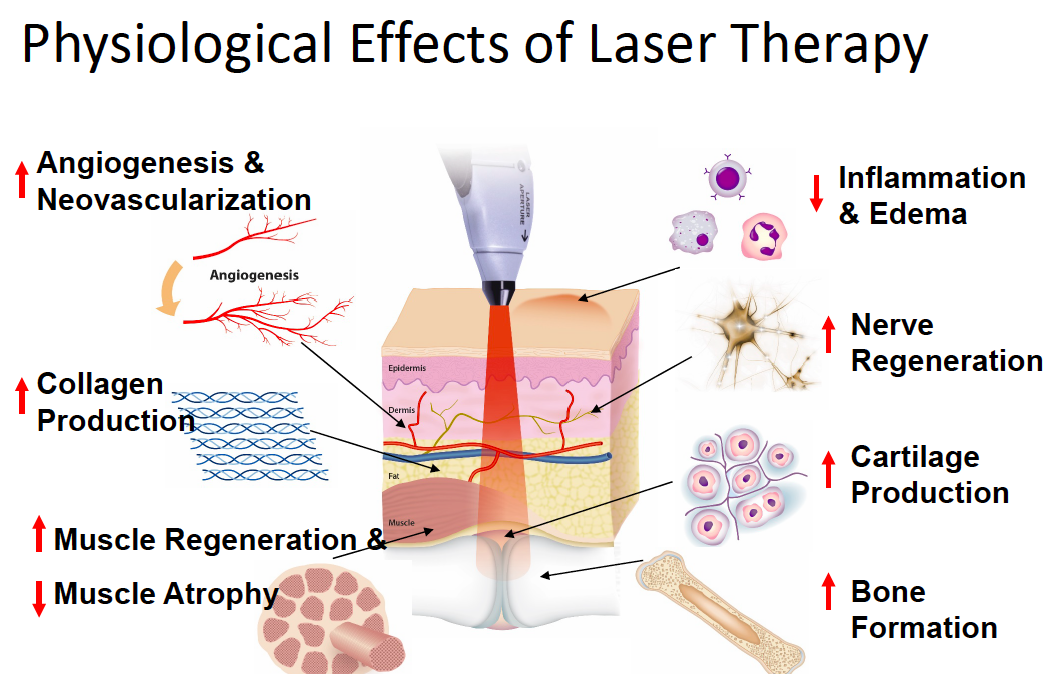
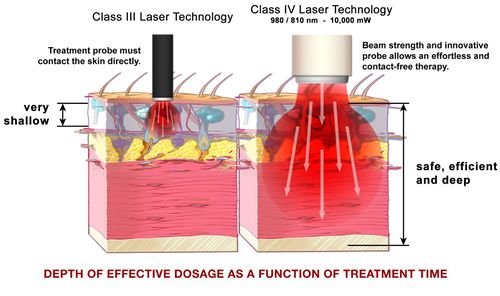
. Reduced pain and increased joint mobility following 10 laser treatements. The benefits of class 4 laser therapy include reduced pain and swelling as well as improved range of motion but a class 4 laser has some very interesting effects that we dont notice as obviously. Class IV therapy lasers provide more energy to deep structures in less time.
Quickly becoming a routine adjunct to countless treatment regimens Class IV Laser. Class IV lasers commonly use the 980nm wavelength. Laser Therapy Laser Therapy Laser Treatment Skin Therapy Pin On Dimedlaser Product Efficacy Of Low Level Laser Therapy In The Management Of Neck Pain A Systematic Review And Meta Analysis Of Randomised Placebo Or Active Treatment Controlled Trials The Lancet.
The classifications categorize lasers according to their ability to produce damage in exposed people from class I no hazard during normal use to class IV severe hazard for eyes and skin. WHAT STUDIES SAY ABOUT CLASS IV LASERS SPECIFICALLY THEIR IMPACT ON CANCER CELLS. As the science and technology behind laser therapy has rapidly advanced over recent years so has the role of Class IV Laser Therapy as an effective and non-invasive mode of therapy.
Most class IV laser diodes shine with between 3 to. He provides laser therapy which is FDA approved to improve healing and inflammation of tissue. This allows for a more focused approach to treating specific areas of the body.
5 This higher power becomes important when treating injuries to deeper tissues such as. 2009 ABSTRACT Tissue that is damaged and poorly oxygenated as a result of swelling trauma or inflammation has been shown to have a positive response to laser therapy irradiation. Pryor PhD Published by.
The LIA Laser Institute of America being the publisher of those standards. These scattering and absorption coefficients determine the penetration depths and ultimately govern the overall depth of penetration of a laser beam. Class iv laser therapy research Monday February 14 2022 Edit.
The technology enables to generate intensity commonly around 10W and more for the purpose of producing stronger bio-modulation and analgesic effect. The trend in laser therapy over the past decade has been to increase power density and dose. Laser Therapy 1997 9 pp 5-6.
Class 4 is currently the most dangerous class with lasers in this category being able to cause severe injuries for the skin and eyes. Johnson provides the latest powerful technology to his patients. 4 rows Class IV lasers include any laser that exceeds 500mW of maximum power.
Most result noticed after 5 treatments. A lower watt laser provides less energy delivery to deeper tissues so the time needed to deliver a treatment is longer. This ultimately assists in providing an energy dose that results in positive reproducible outcomes.
These findings suggest that laser therapy using the 10 W class IV instrument is efficacious for the long-term relief of the symptoms associated with chronic epicondylitis. However the depth of penetration is superficial and is. The potential for a rapidly administered safe and effective treatment warrants further investigation.
The classes are I II IIa IIIa IIIb and IV. When considering a Class 4 system three main variables are most crucial to the beneficial. The National Cancer Institute NCI reports that 396 percent of all Americans will receive a cancer diagnosis at some point in their lives.
However Class IV lasers because of their longer wavelength can bypass the selective absorption by the melanin containing epidermis and reach to the deeper tissue targets effectively. 5 Class 4 lasers can emit greater photonic energy in a shorter period of time than class 3B lasers without producing an appreciable rise in tissue temperature under normal treatment protocols. This has been shown to significantly improve therapeutic outcomes.
Dr Johnson uses a very powerful Class IV laser which can penetrate extremely deep into the musculoskeletal tissue. So what are the class 4 laser safety requirements. The most commonly used therapeutic lasers in veterinary medicine are Class III lasers which may deliver energy from 1mw to 500mw and Class IV lasers which deliver power at greater than 500mw.
Recent trends in laser therapy show a preference for class 4 lasers in patient care settings. The higher the power an increased effectiveness of pulsed analgesic therapy is Research Article. A randomized controlled single-centre double-blind clinical trial with 11 allocation ratio will be carried out involving patients presenting TCMC-OA Grades 1-2 aged 18 years.
The purpose of this study was to determine the effects of laser therapy in pain reduction andor recovery of patients at the onset of Rheumatoid Arthritis RA compared with the traditional non-steroidal anti-inflammatory drugs NSAIDs. Fifty-nine patients with RA of 6-12 months duration were included in the study. The major advantage of Class IV laser therapy over LLLT is its high power and wavelengths above 1000 nm which are able to penetrate deeper into joints and muscles for improved medical effects.
Higher wattage also results in faster treatment times and provides changes in pain complaints that are unachievable with low power lasers. A Class 4 laser typically has higher incident power at the tissue surface and if the beam is defocalized to prevent charring tissue then a larger treatment area. So much information on Class 4 laser therapy or photobiomodulation is circulating at conferences in trade journals and in materials distributed by laser therapy manufacturers that it is hard to distinguish what the most valuable and relevant data points are.
The NCI goes on to explain that cancer is one of the top causes of death across the globe with new diagnoses expected. Watt level high intensity laser Class 4 laser begin to emerge in the basic research and later in clinical rehabilitation practise. Low back pain neck pain shoulder pain arthritis joint pain cartilage repair frozen shoulder soft tissue injuries.
In a nutshell class 4 laser safety requirements are as follow. This is the preferred option for rapid pain control with expensive class IV lasers. 980nm shares some therapeutic characteristics with 780nm to 850nm lasers however the bulk of the energy goes to creating thermal gradients in the H 2 O that increase circulation and blood flow.

Benefits Of K Laser Class 4 Laser Therapy Treatments Laser Therapy Treatment Therapy
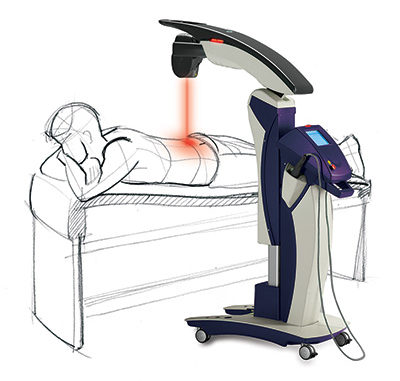
Medical Laser Therapy Science Cutting Edge Lasers
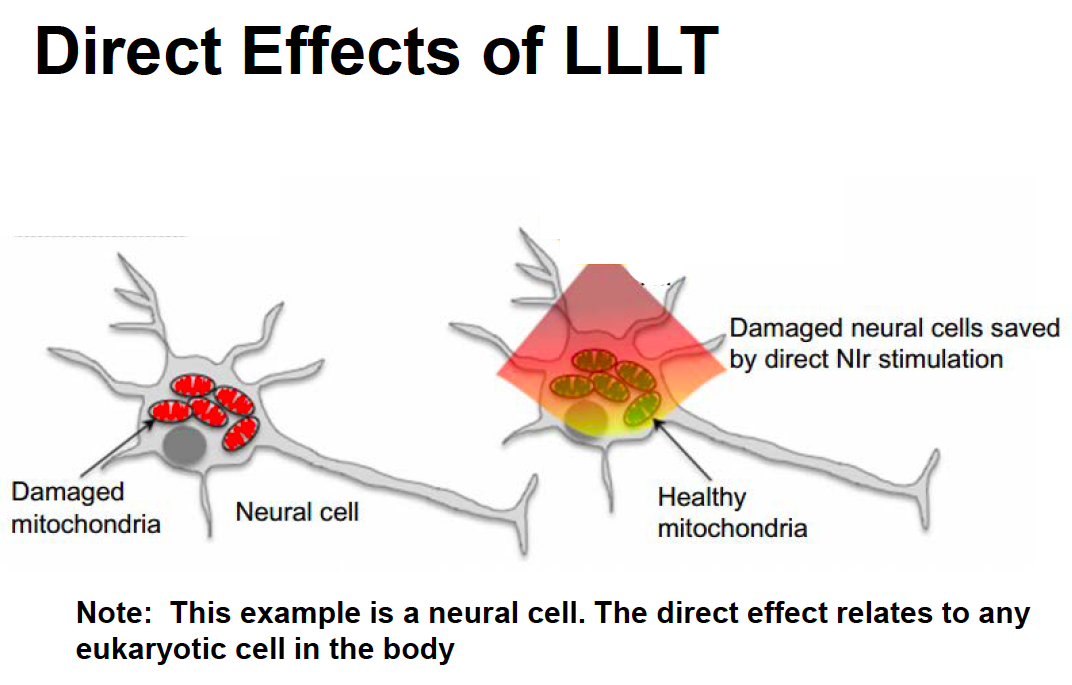
Dr Aaron Case Active Release Shockwave Therapy
Create A Modern Captivating Logo For The New Class Iv K Laser Therapy By Wolf34 Medical Logos Inspiration Medical Logo Design Laser Therapy
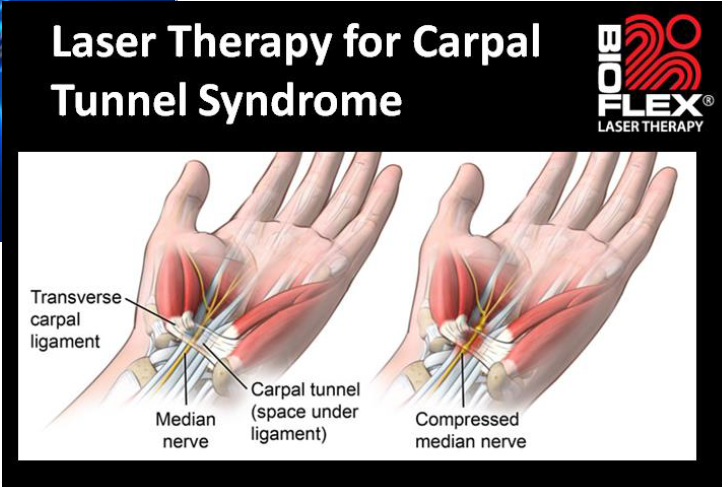
Dr Aaron Case Active Release Shockwave Therapy
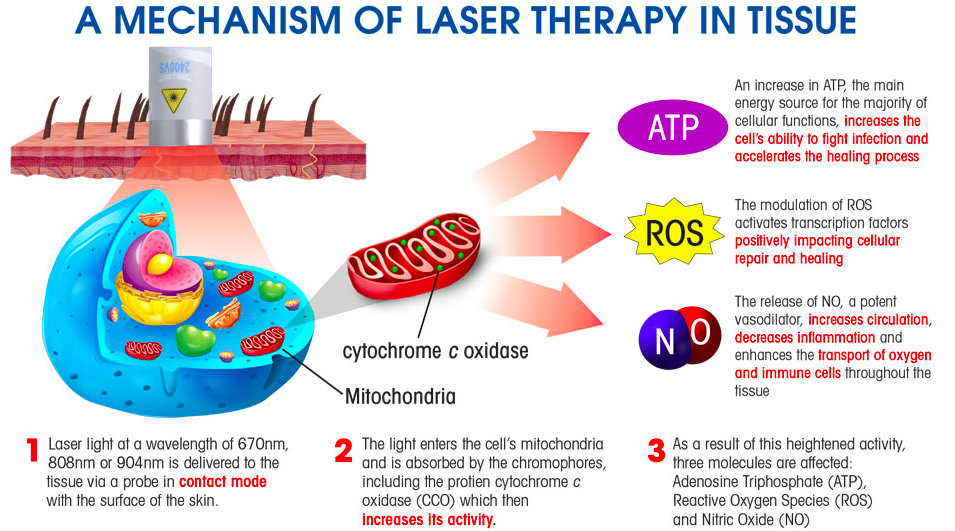
Dr Aaron Case Active Release Shockwave Therapy
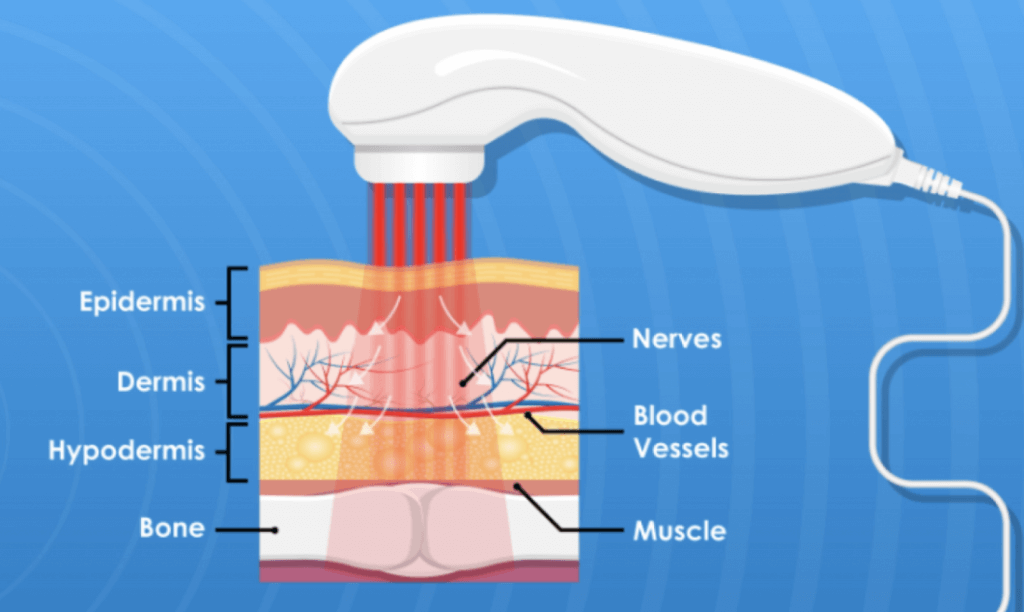
What Is Low Level Laser Therapy Lllt And Does It Work
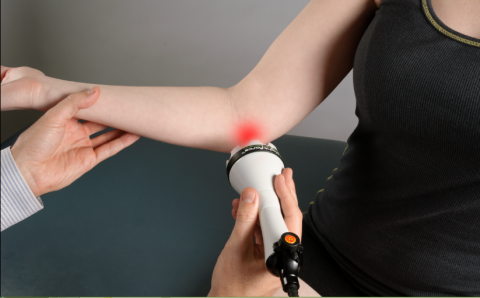
Dr Aaron Case Active Release Shockwave Therapy

The Difference Between Class Iii Class Iv Laser Therapy Systems Aspen Laser

The Safe Easy To Use Quantum Reflex Integration Qri Harmonic Low Level Laser Lll With The Unique Qri Home Prog Cold Laser Therapy Laser Therapy Cold Laser

Pin On Lllt For Pain Relief

Photobiomodulation The Path Forward Light Therapy Low Level Laser Laser Lights

Pin On Dimedlaser Product
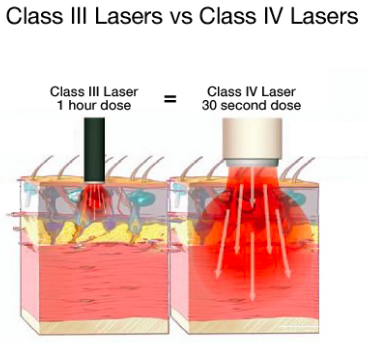
Dr Aaron Case Active Release Shockwave Therapy
Dr Aaron Case Active Release Shockwave Therapy
High Power Laser Therapy Physiopedia

3 Myths About Class Iv Laser Therapy Aspen Laser

Dr Aaron Case Active Release Shockwave Therapy

Pin By Karen Schouest On Healthcare Cold Laser Low Level Laser Therapy Laser Therapy